Hair Extension Lengths: What Salons & Wholesale Buyers Really Need to Know
In the professional hair extension market, length is not just a styling preference it is a commercial decision.
For salon owners, distributors, and wholesale buyers, choosing the wrong hair extension length can lead to slow inventory turnover, dissatisfied clients, and unnecessary margin pressure.
This short LinkedIn guide breaks down how hair extension lengths work in real B2B scenarios and why understanding them correctly helps businesses sell more, not just stock more.
Why Hair Extension Lengths Matter in the B2B Hair Industry
Unlike end consumers, professional buyers must think beyond appearance.
Hair extension lengths directly impact:
-
Pricing structure
-
Inventory planning
-
Installation results
-
Client expectations
-
Repeat purchase rates
One of the most common issues we see when working with salons globally is length mismatch — the hair delivered matches the invoice, but not the client’s visual expectation. This is where technical knowledge becomes a business advantage.
How Hair Extension Lengths Are Measured (Industry Reality)
In professional sourcing, hair extension lengths are measured when the hair is:
-
Fully straightened
-
Pulled from root to tip
-
Laid flat on a measuring surface
This standard applies to wefts, tape-ins, clip-ins, and bulk hair.
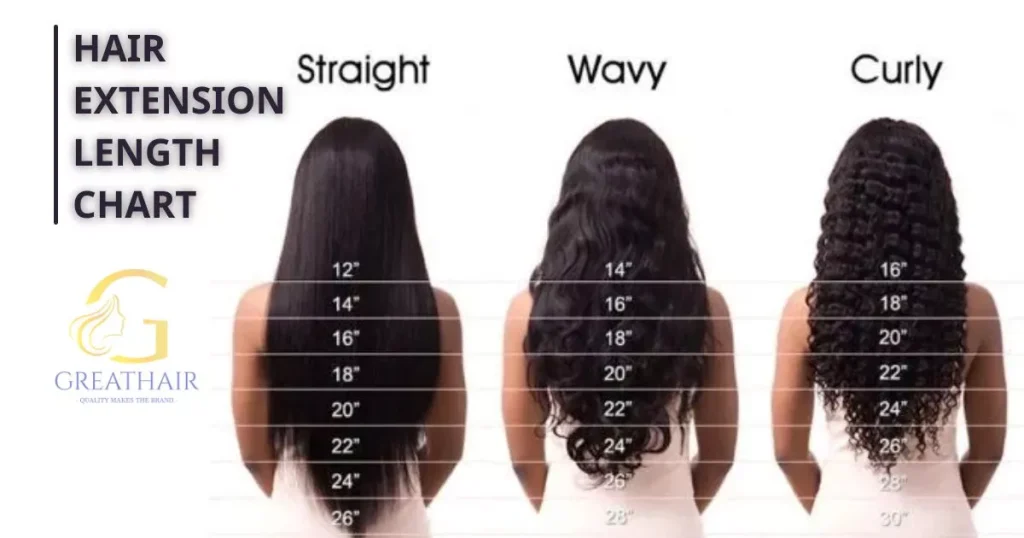
However, curly and wavy textures will always appear shorter once installed due to natural shrinkage — a detail many buyers underestimate.
For salons and wholesalers, confirming measurement standards with one consistent supplier is essential to avoid variation across batches.
Understanding Hair Extension Lengths in Real Use
Below is how most salons interpret lengths once installed on the head:
-
14–16 inch: Shoulder to slightly below shoulder
-
18–20 inch: Mid-back to lower back (most requested globally)
-
22–24 inch: Waist-length, premium look
-
26 inch and longer: Niche, high-impact styles
Using a clear length reference during consultation helps salons reduce disputes and increase upsell success.
Which Hair Extension Lengths Sell Best?
From wholesale and salon data across multiple regions, 18–20 inch hair extensions consistently generate the highest repeat orders. They balance:
-
Noticeable transformation
-
Practical daily wear
-
Easier maintenance
-
Stable pricing
Shorter lengths (14–16 inch) perform well for volume services and conservative clients, while longer lengths (22 inch+) work best when positioned as premium or made-to-order products.
Common Buying Mistakes (and How to Avoid Them)
1. Stocking extreme lengths based on trends
Longer hair does not automatically mean faster sales. Inventory should follow client behavior, not social media hype.
2. Ignoring texture shrinkage
Curly hair always needs extra length to achieve the same visual result.
3. Mixing suppliers with different length standards
This creates inconsistency that salons and end clients notice immediately.
Professional buyers who standardize sourcing with one experienced manufacturer avoid most of these issues.
👉 [Read the full Hair Extension Lengths Guide on our website]
Manufacturer Insight: Length Strategy Beats Length Obsession
After working with salon groups and distributors in the US, EU, and Africa for over 17 years, one lesson stands out:
The most profitable hair businesses do not sell the longest hair they sell the right hair.
Wholesale partners who focus on core lengths (16–20 inch) and offer longer sizes as custom orders consistently achieve higher inventory turnover and stronger long-term client relationships.
Final Thought
Hair extension lengths should support your business model, not complicate it.
When salons and wholesale buyers align length selection with real demand, results follow faster stock movement, fewer returns, and better margins.
For a full professional breakdown, including length charts, buyer case studies, and sourcing strategies from a Vietnamese hair manufacturer, read the complete guide here:


Comments
Post a Comment