Human Hair vs Synthetic Hair Extensions: A Practical Guide for Long-Term Use
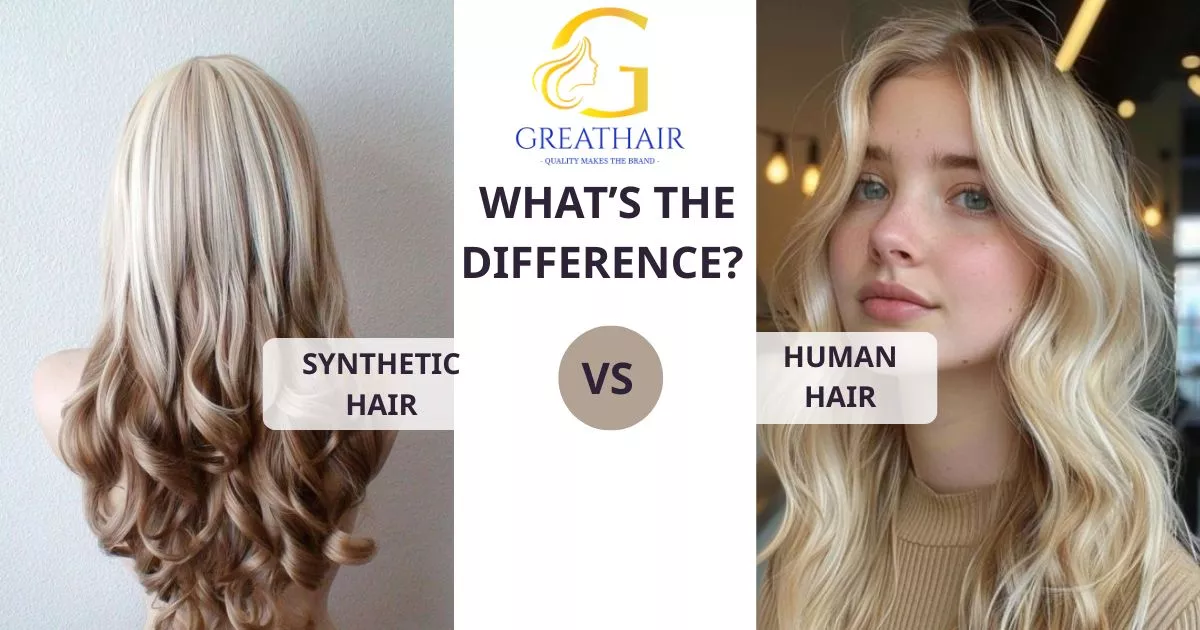
When hair extensions become part of a long-term beauty routine or a professional salon service, the material choice matters far more than many people expect. The discussion around human hair vs synthetic hair extensions is not simply about price. It directly impacts appearance, styling flexibility, durability, and overall satisfaction over time.
This article offers a practical, experience-based comparison to help readers understand how these two types of hair extensions perform in real-world use.
What Are Synthetic Hair Extensions?
Synthetic hair extensions are produced from artificial fibers such as kanekalon or other polymer-based materials. These fibers are engineered to imitate the look of natural hair and are often pre-styled straight out of the package.
One of the main reasons synthetic hair extensions remain popular is affordability. They are widely used for short-term styles, fashion looks, photo shoots, or events where durability is not the top priority. Synthetic hair also comes in a wide range of colors and textures that may be difficult to achieve with natural hair.
However, because synthetic fibers do not have a natural cuticle layer, they behave differently from real hair. Heat resistance is limited, and frequent friction can lead to tangling or frizz over time. For this reason, synthetic hair is generally viewed as a temporary solution rather than a long-term investment.
What Are Human Hair Extensions?
Human hair extensions are made from 100% real human hair. The most important difference lies in the preserved cuticle structure, which allows the hair to behave naturally during daily wear.
Because the cuticle remains intact, human hair extensions blend seamlessly with natural hair, move naturally, and respond well to heat styling. They can be curled, straightened, blow-dried, and restyled multiple times, making them suitable for both personal and professional use.
In salon environments, human hair extensions are often preferred because they offer consistent performance and can be reused across multiple installations with proper care.
Difference Between Human Hair and Synthetic Hair Extensions
Understanding the difference between human hair and synthetic hair extensions requires looking beyond first impressions. While both may appear similar at the beginning, their performance diverges significantly over time.
Natural appearance:
Human hair maintains a soft, realistic shine that looks natural under both daylight and salon lighting. Synthetic hair tends to reflect light more sharply, which can appear overly shiny, especially after extended use.
Styling flexibility:
One of the most frequently asked questions is what advantage does human hair have over synthetic hair. The answer is simple: freedom. Human hair extensions tolerate heat and professional styling tools, while synthetic hair has strict temperature limits that can permanently damage the fibers.
Durability:
Human hair extensions can last from one to three years depending on care and usage. Synthetic hair extensions typically last only a few weeks to a few months before replacement becomes necessary.
Long-term value:
Although synthetic extensions may cost less initially, repeated replacement often makes them more expensive over time compared to reusable human hair extensions.
Synthetic Extensions vs Human Hair in Professional Settings
In professional salon services, the choice between synthetic extensions vs human hair affects more than aesthetics. It influences service consistency, client trust, and overall brand reputation.
Synthetic hair may be suitable for entry-level services or temporary styles. However, many professionals gradually transition to human hair as they focus on delivering reliable results and reducing post-service complaints.
Human hair extensions allow stylists to customize texture, length, and style according to each client’s needs, which is a key factor in premium salon offerings.
Human vs Synthetic Braiding Hair
Braiding is one area where both materials are commonly used. For short-term braiding styles, synthetic braiding hair can be a practical option due to its availability and affordability.
However, when comparing human vs synthetic braiding hair for long-term wear, the differences become clear. Human hair braiding extensions offer better comfort, reduced tangling, and a more natural finish. They also age better with daily wear and regular maintenance.
Who Should Choose Human Hair Extensions?
Human hair extensions are generally the better choice for individuals or businesses that prioritize:
Natural appearance and movement
Heat styling flexibility
Long-term wear
Professional service quality
These advantages explain why many salon owners and experienced users view human hair as a long-term solution rather than a temporary accessory.
Making an Informed Choice
Choosing between synthetic hair and human hair extensions depends on your goals. Synthetic hair can meet short-term needs and creative styling demands, while human hair provides durability, realism, and versatility.
For readers interested in a deeper, experience-based comparison covering performance, lifespan, and professional use cases, you can explore a detailed breakdown here:
👉 https://greathair.com.vn/human-hair-vs-synthetic-hair-extensions/
This resource expands on the practical differences and explains how material choice affects both everyday wear and salon-level services.
Final Thoughts
The decision between human hair and synthetic hair extensions should be guided by how the hair will be used, styled, and maintained over time. While synthetic hair serves its purpose in specific situations, human hair extensions consistently deliver better results for long-term wear and professional applications.
Understanding these differences helps avoid unnecessary replacement, styling limitations, and dissatisfaction, leading to a more informed and confident choice.


Comments
Post a Comment