Understanding Different Types of Wigs and Their Names in the Professional Hair Industry
In recent years, wigs have become a core product category in the global hair industry. What was once considered a niche beauty accessory is now an essential solution for salons, stylists, retailers, and wholesale buyers serving diverse markets worldwide.
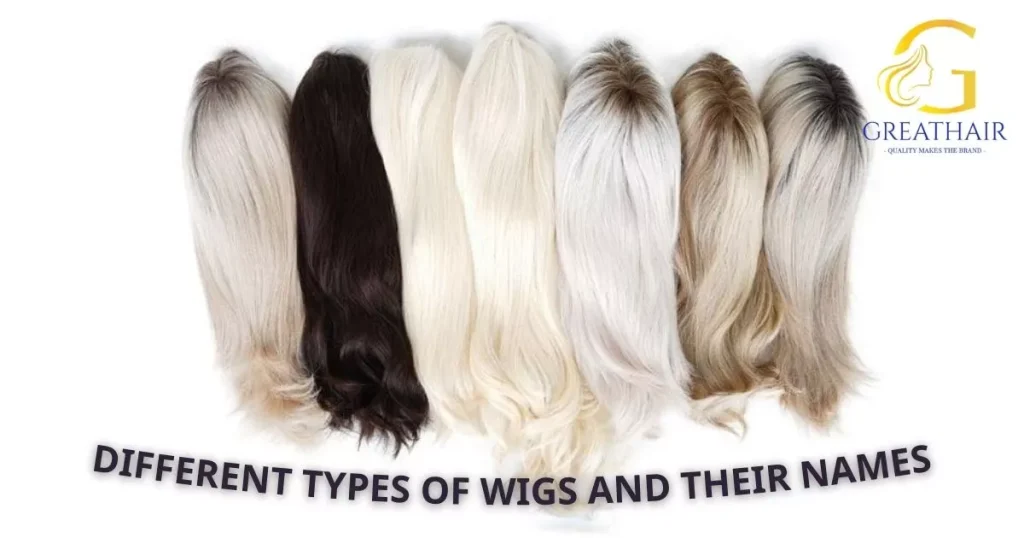
However, many businesses still underestimate the importance of understanding different types of wigs. Choosing the wrong wig construction or hair material can lead to installation difficulties, customer dissatisfaction, and slow inventory turnover. This article provides a professional overview of common wig types and their names, focusing on real-world usage rather than trends.
What Is a Wig from a Professional Perspective?
A wig is a hairpiece designed to cover part or all of the scalp, made from either human hair or synthetic fibers. For end users, appearance is often the main concern. For professionals, wigs must be evaluated through a broader lens.
Salon owners and wholesale buyers need to consider durability, ease of installation, styling flexibility, target pricing, and repeat purchase potential. A wig that looks good but performs poorly in daily use can damage both reputation and profitability.
This is why understanding wig categories is a business necessity, not just product knowledge.
Why Wig Types Matter for Salons and Buyers
Different wig types are designed for different use cases. Some are optimized for speed and convenience, while others prioritize styling freedom or realism. When wig selection does not match customer behavior, problems arise.
Salons that only stock premium wigs often limit their service volume. On the other hand, businesses that rely solely on low-cost wigs may struggle with retention and repeat clients. Successful operations usually offer a balanced mix of wig types aligned with actual demand.
Wig Types by Construction
Lace Front Wigs
Lace front wigs feature a lace panel along the front hairline, allowing for a natural-looking edge when installed correctly. They are among the most popular wig types globally because they balance realism and cost.
For salons, lace front wigs are suitable for everyday clients who want a natural appearance without paying for a fully customized wig. For wholesalers, this category offers stable demand and predictable reorder cycles.
Full Lace Wigs
Full lace wigs are constructed entirely from lace, which allows parting and styling in any direction. This makes them ideal for updos, ponytails, and advanced styling techniques.
These wigs are typically positioned as premium products. Salons often reserve them for high-end clients, while distributors use them to serve luxury retailers and professional stylists.
HD Lace Wigs
HD lace wigs use ultra-thin, high-definition lace that blends seamlessly with different skin tones. They are widely used in photography, video production, and influencer marketing.
From a business perspective, HD lace wigs can deliver higher margins, but only when quality is consistent. Poor lace quality is immediately noticeable, making supplier reliability a critical factor.
Closure Wigs
Closure wigs use a smaller lace or silk closure, commonly 4×4 or 5×5, instead of a full lace base. They are easier and faster to install, making them ideal for beginner clients and walk-in salon services.
Many salons rely on closure wigs to increase service speed, while wholesalers often include them as entry-level or bundle products.
Wig Types by Hair Material
Human Hair Wigs
Human hair wigs are widely preferred in professional settings due to their natural movement, texture, and long lifespan. They can be washed, dyed, heat-styled, and customized like natural hair.
Common subcategories include:
-
Virgin hair wigs
-
Remy hair wigs
-
Raw hair wigs
For salons, human hair wigs reduce styling limitations and allow for premium service pricing. For wholesale buyers, they offer higher repeat purchase rates when quality is consistent. Many professionals choose to work directly with experienced manufacturers to ensure stable supply and cuticle-aligned hair.
If you want a detailed explanation of how professional human hair wigs are produced and classified, this complete guide explains it clearly:
👉 Different Types of Wigs and Their Names
Synthetic Wigs
Synthetic wigs are made from engineered fibers designed to mimic the appearance of natural hair. They are typically pre-styled and more affordable than human hair wigs.
While synthetic wigs have a shorter lifespan and limited styling flexibility, they play an important role in fashion retail, seasonal collections, and price-sensitive markets.
Popular Wig Styles Used in Salons
Bob Wigs
Bob wigs remain strong sellers due to their clean shape, low maintenance, and broad appeal. They require less hair and are easy to manage for both salons and clients.
Straight Wigs
Straight wigs offer a polished, versatile look that works across cultures and markets. They are especially popular in human hair collections because they can be easily restyled.
Curly and Wavy Wigs
Curly and wavy wigs add volume and texture but require higher hair quality to prevent tangling and shedding. These styles are often chosen by clients who prefer bold or natural-texture looks.
Matching Wig Types to Market Demand
Experienced suppliers often observe one consistent pattern: businesses succeed when they match wig types to real customer behavior, not short-term trends.
Salons serving daily clients benefit from lace front and closure wigs. Premium services perform better with full lace or HD lace wigs. Wholesale buyers often achieve better results by offering a structured product range rather than focusing on a single category.
Understanding your target market is as important as understanding the wig itself.
Final Thoughts
Understanding different types of wigs and their names allows salons and wholesale buyers to make smarter sourcing and service decisions. When wig construction, hair material, and style align with actual market demand, businesses reduce returns, increase repeat orders, and build long-term trust.
For professionals in the hair industry, learning directly from experienced manufacturers and suppliers can provide valuable insight into quality control, sourcing stability, and long-term growth.


Comments
Post a Comment