What Are the Different Types of Hair Extensions? A Complete Professional Guide
Hair extensions are no longer just a beauty trend. Today, they are an essential part of the global salon and hair industry, serving clients with different hair conditions, lifestyles, and styling goals. However, many people still underestimate how important it is to understand the different types of hair extensions before making a choice.
This guide explains the most common hair extension types used in professional salons, based on real manufacturing experience and long-term feedback from salons and distributors in international markets.
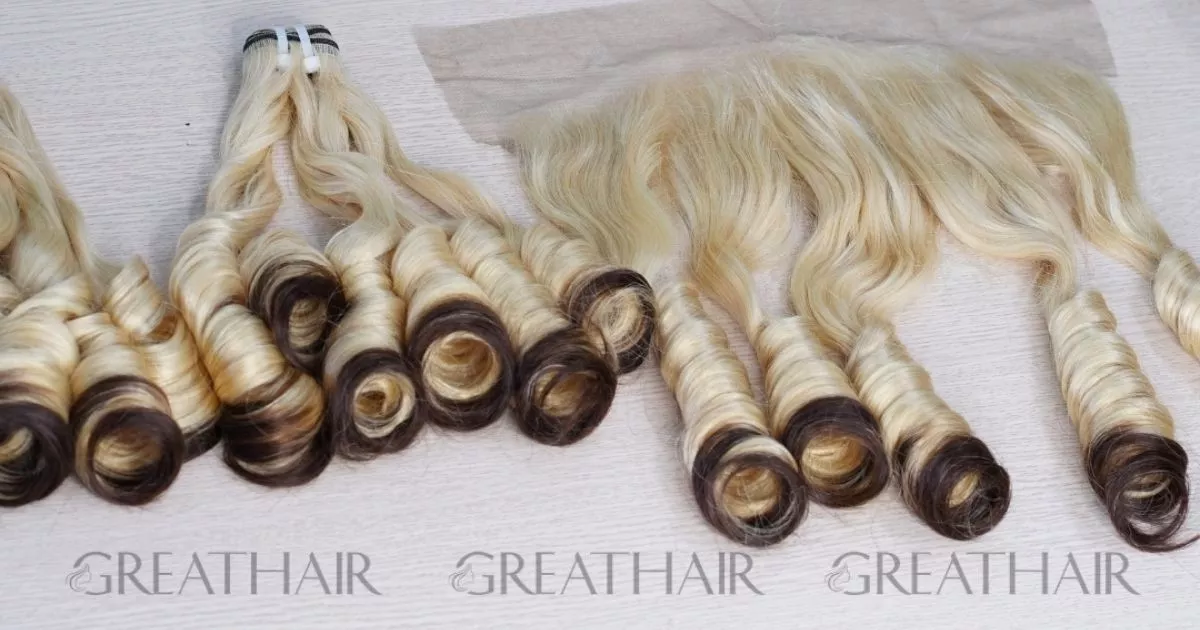
Why Understanding Different Types of Hair Extensions Matters
In the professional hair industry, most problems related to hair extensions do not come from installation errors. Instead, they come from choosing the wrong extension type or hair quality for the client.
Understanding different types of hair extensions helps:
Salons reduce complaints and maintenance issues
Clients enjoy longer-lasting, more natural results
Distributors stock products that perform well in real-world use
Hair extensions are not a one-size-fits-all solution. Each method is designed for a specific purpose.
Overview of the Most Common Hair Extension Types
When people ask, “What kinds of hair extensions are there?”, these are the most widely used options in professional salons:
Clip-in hair extensions
Tape-in hair extensions
Keratin (K-tip) hair extensions
I-tip / micro-link hair extensions
Weft hair extensions (sew-in or beaded weft)
Halo and ponytail extensions
These hair extension types differ in attachment method, wear duration, and maintenance requirements.
Clip-In Hair Extensions: Temporary and Beginner-Friendly
What Are Clip-In Hair Extensions?
Clip-in hair extensions are temporary extensions that can be attached and removed without professional help. They are popular among beginners and for short-term styling needs.
Pros and Cons of Clip-In Extensions
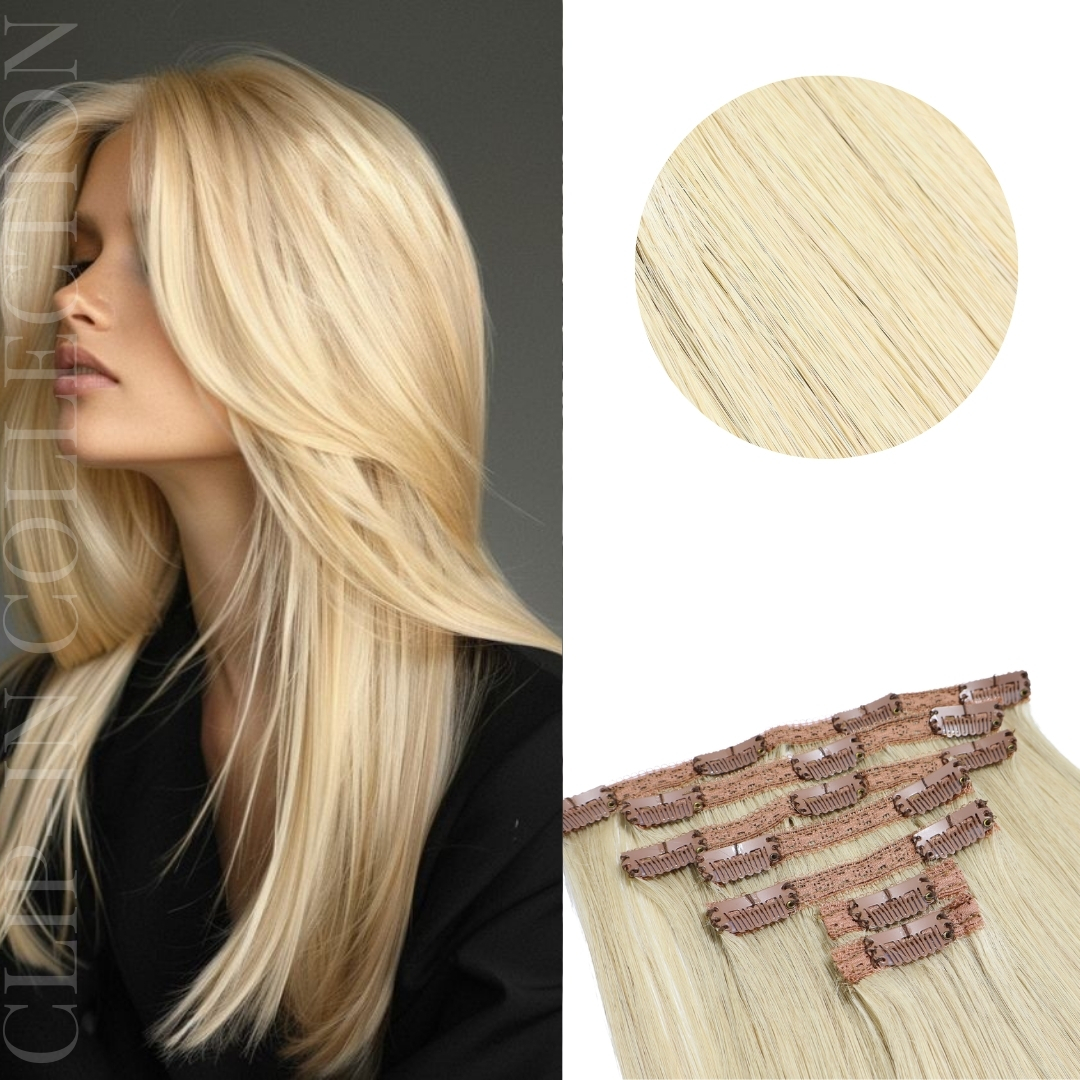
Advantages
Easy to use
Reusable
No long-term commitment
Disadvantages
Not suitable for daily wear
Less seamless than professional methods
Can create uneven tension if worn frequently
Clip-in extensions are best for occasional use, not long-term solutions.
Tape-In Hair Extensions: A Global Salon Standard
Why Tape-In Hair Extensions Are So Popular
Tape-in hair extensions are one of the most common hair extension types used in professional salons. They are lightweight, flat, and comfortable when installed correctly.
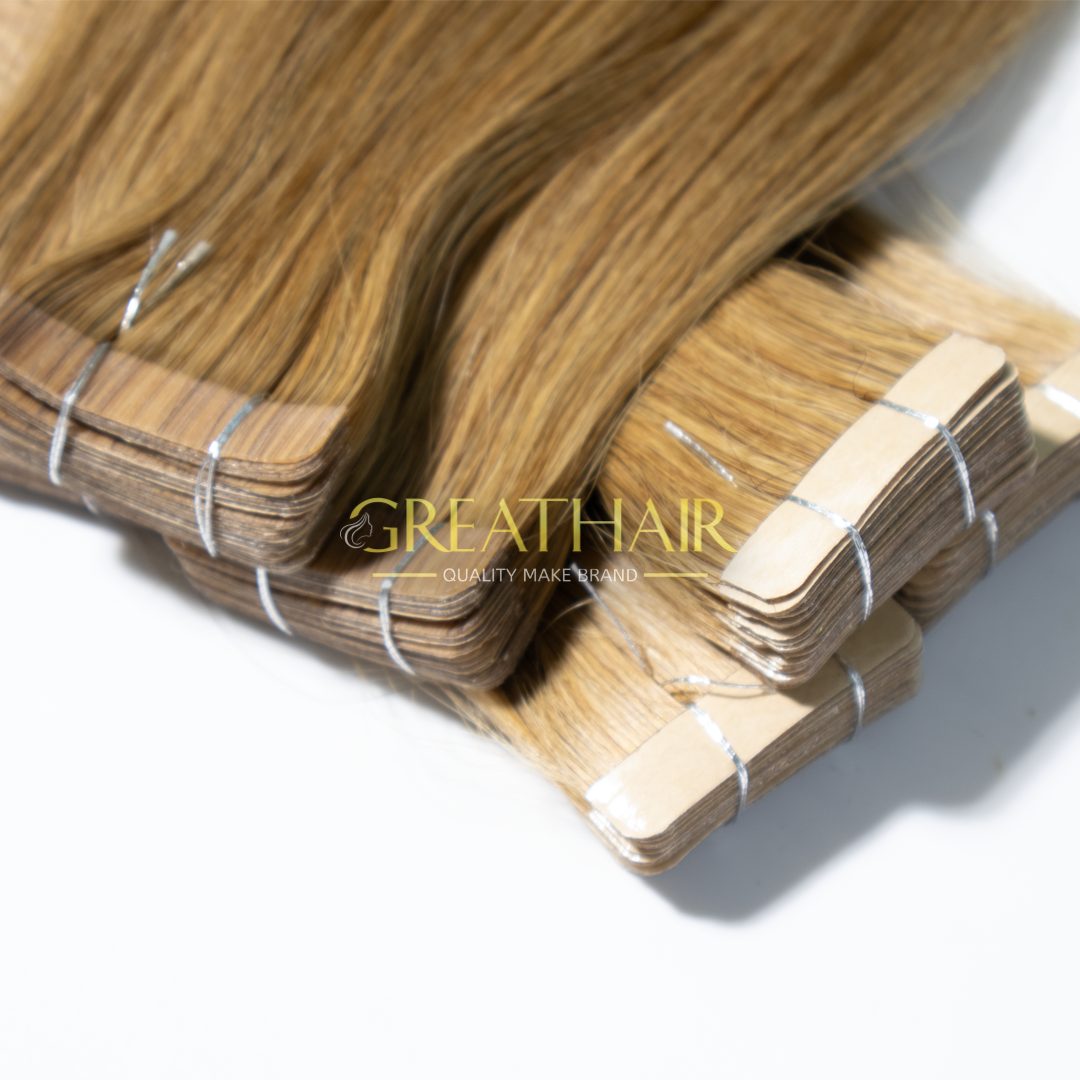
Key benefits
Natural appearance
Suitable for fine to medium hair
Easy maintenance and repositioning
Hair Quality Matters for Tape-In Extensions
From manufacturing and quality-control experience, tape-in extensions made from heavily processed hair often dry out and fray around the adhesive area. Tape-in hair extensions produced from raw human hair with intact cuticles last longer and maintain better texture.
Keratin (K-Tip) Hair Extensions: Long-Term Wear Solutions
What Are K-Tip Hair Extensions?
K-tip hair extensions are bonded using keratin and heat. They are designed for clients who want long-lasting results.
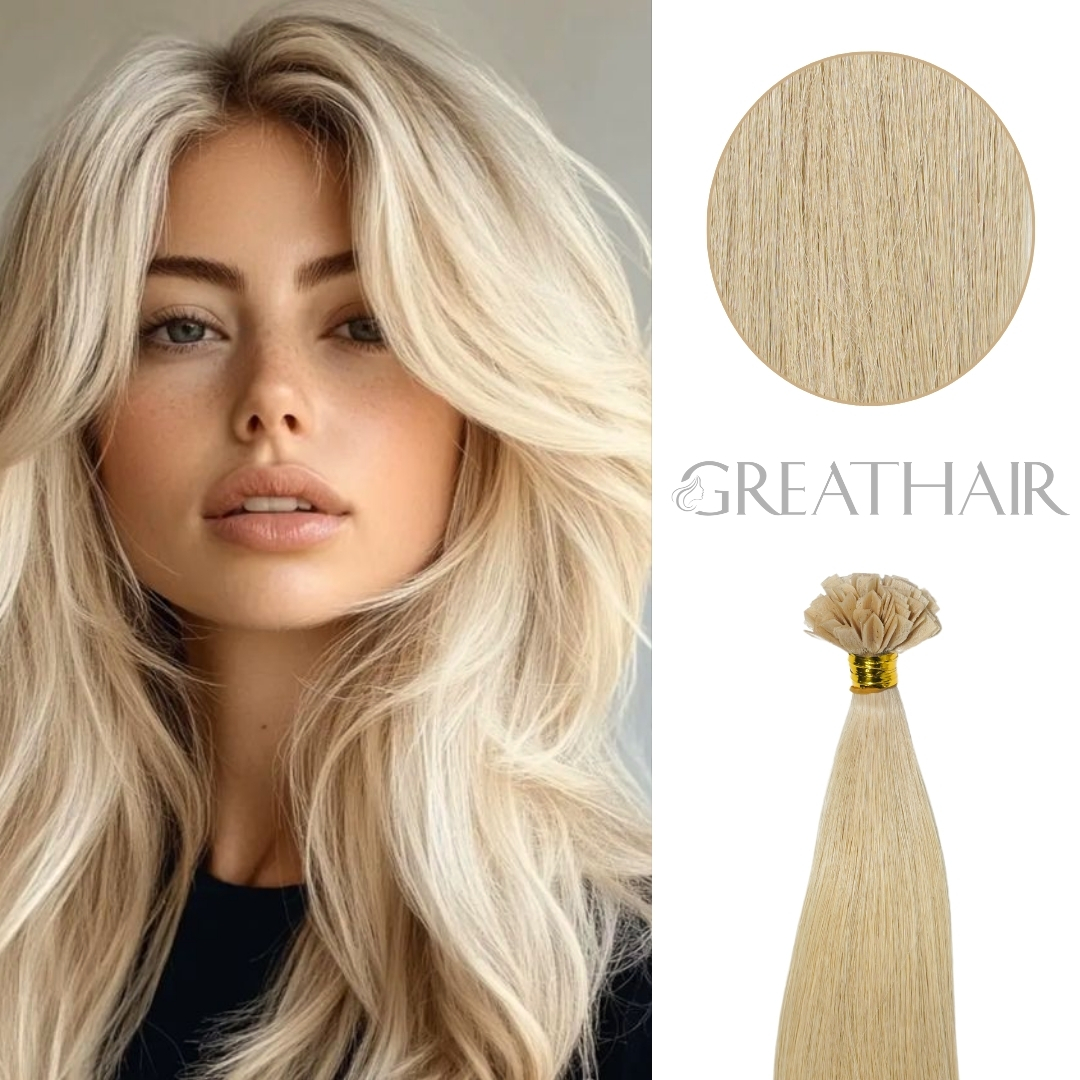
Wear duration: 3–5 months
Why Hair Quality Is Critical for K-Tip Extensions
Because heat is involved, K-tip hair extensions require strong fibers and intact cuticles. Over-processed hair is one of the main causes of bond failure, shedding, and breakage.
For premium clients, K-tip extensions perform best when made from high-quality raw human hair.
I-Tip / Micro-Link Hair Extensions: Adjustable and Reusable
How I-Tip Extensions Work
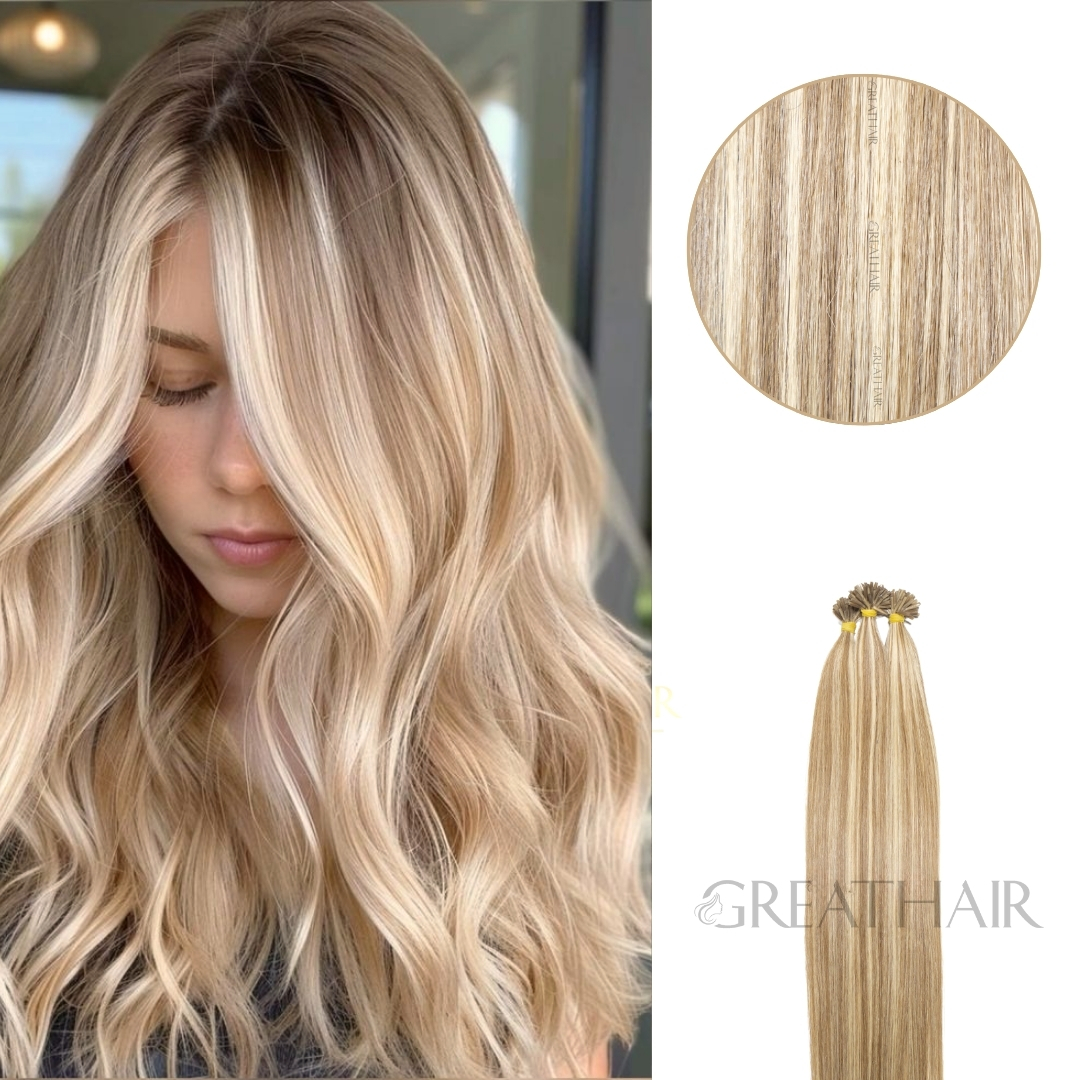
I-tip hair extensions use micro-rings instead of glue or heat. This makes them adjustable and reusable.
Best for
Experienced extension wearers
Clients who want flexibility as hair grows
Manufacturing Perspective on I-Tip Extensions
I-tip extensions require hair with good elasticity and strength. Over-processed hair often slips out of micro-rings, reducing wear time and increasing maintenance issues.
Weft Hair Extensions: The Best Choice for Volume
What Are Weft Hair Extensions?
Weft hair extensions are sewn or beaded into natural hair and are ideal for adding volume rather than extreme length.
Common uses
Thickening fine hair
Full coverage styles
Why Raw Hair Performs Better in Weft Extensions
Salon feedback consistently shows that weft hair extensions made from raw hair tangle less and last longer. Proper cuticle alignment plays a major role in durability and ease of maintenance.
You can explore a detailed explanation of weft extensions here:
👉 https://greathair.com.vn/what-are-weft-hair-extensions/
Halo and Ponytail Extensions: Low-Impact Alternatives
Halo and ponytail extensions do not attach directly to natural hair. Instead, they use invisible wires or wraps.
Best for
Sensitive scalps
Hair thinning or damage
Clients avoiding bonded methods
These extensions are low-risk but intended for short-term wear.
Choosing Hair Extensions Based on Lifestyle
Lifestyle is one of the most important factors when selecting hair extension types.
Active clients often perform better with tape-in or I-tip extensions
Clients seeking low maintenance prefer K-tip or sew-in weft extensions
Clients with damaged hair benefit from halo or clip-in extensions
Matching extension type with daily routine significantly improves long-term satisfaction.
The Role of Hair Origin in Extension Performance
Many articles discuss hair extension methods but ignore hair origin. From real manufacturing experience:
Hair with intact cuticles tangles less
Thicker natural strands hold bonds better
Proper cuticle alignment improves lifespan across all hair extension types
This is why Vietnamese raw hair is highly valued in professional markets.
Maintenance Expectations for Different Hair Extension Types
Choosing among different types of hair extensions also means understanding maintenance requirements.
Clip-in and halo extensions require frequent removal
Tape-in and I-tip extensions need professional repositioning
K-tip extensions demand disciplined care but offer the longest wear
Clear maintenance education often matters more than the extension method itself.
Common Mistakes When Choosing Hair Extensions
Based on salon and distributor feedback, the most common mistakes include:
Choosing price over hair quality
Ignoring scalp sensitivity
Mixing incompatible extension methods
Using synthetic hair for long-term wear
Avoiding these mistakes can significantly extend the lifespan of human hair extensions.
Human Hair vs Synthetic Hair Extensions
Synthetic hair extensions are affordable but short-lived. Human hair extensions provide better durability, styling flexibility, and natural movement. Among human hair options, raw hair consistently delivers superior long-term performance.
Final Thoughts
After years of producing and exporting Vietnamese raw human hair, one conclusion remains clear: the success of hair extensions depends less on the method and more on the quality of the hair itself.
If you want a deeper understanding of different types of hair extensions and how they perform in real salon use, you can read the full guide here:
👉 https://greathair.com.vn/what-are-the-different-types-of-hair-extensions/


Comments
Post a Comment