What Is a Wig? A Complete Beginner Guide from Real Hair Manufacturing Experience
What is a wig?
A wig is a full hairpiece worn on the head to replace or enhance natural hair. Unlike partial hairpieces or extensions, a wig is designed to cover the entire scalp, creating a complete hairstyle without cutting, dyeing, or chemically treating your real hair.
Today, wigs are no longer limited to costume use or performance. They are widely worn by everyday women, professionals, salon clients, content creators, and people experiencing hair loss. For many beginners, however, the biggest question remains simple: what is a wig really, and is it worth wearing in real life?
Based on years of working inside a hair factory and supplying wigs globally, this guide explains wigs in practical terms how they work, why quality matters, and how beginners should approach their first wig.
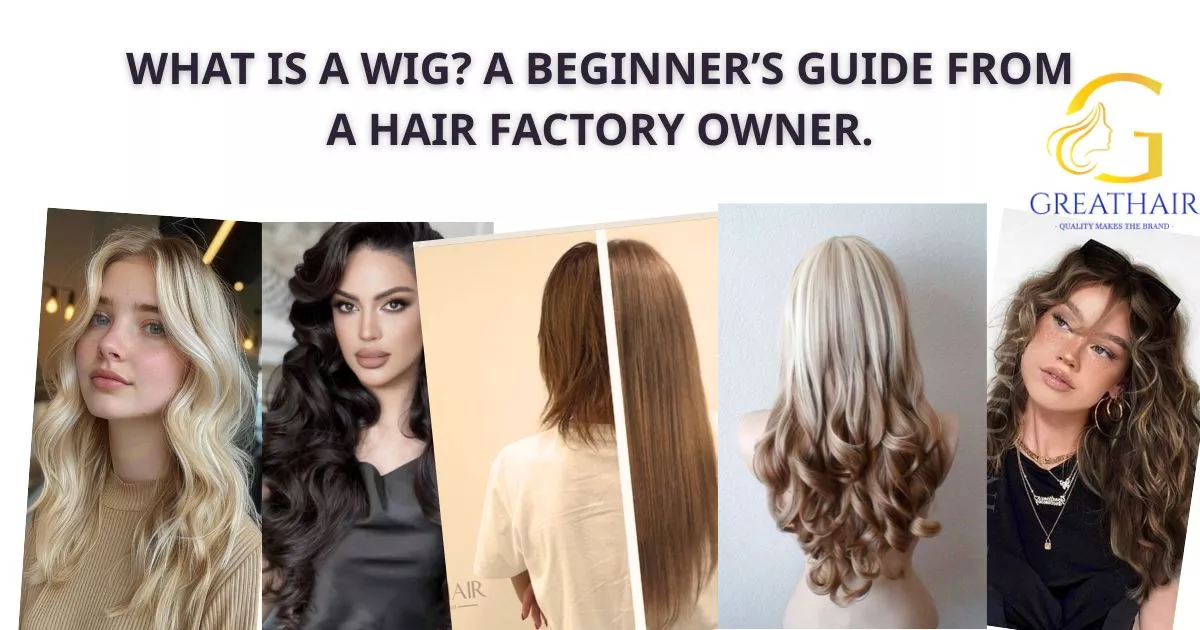
Wig meaning: what people usually want to understand
When people search for “wig meaning,” they are rarely looking for a dictionary definition. What they usually want to know is:
Will a wig look fake?
Can other people tell I’m wearing one?
Is it comfortable for daily wear?
Will it damage my real hair?
From a manufacturing perspective, a wig is not just “fake hair.” A high-quality wig is a complete hair system designed to sit naturally on the scalp, move like real hair, and blend seamlessly with the wearer’s appearance. This is why two wigs labeled the same often both called “human hair wigs” can look and feel completely different in real life.
What is a wig actually used for in real life?
1. Everyday beauty and convenience
Many people wear wigs simply because they make life easier. With a well-fitted wig, you can achieve a consistent hairstyle every day without heat styling, blow-drying, or chemical treatments. This is especially popular among busy professionals, mothers, and anyone who wants to protect their natural hair while still looking polished.
2. Salon clients and hairstylists
From a salon perspective, wigs offer instant transformation. Stylists use wigs to showcase styles, serve clients who want dramatic changes without damage, and work efficiently without long installation times. For professionals, wigs are a practical tool not just a beauty accessory.
3. Hair loss and medical reasons
Some of the most meaningful uses of wigs come from clients experiencing alopecia, post-chemotherapy hair loss, or hormonal thinning. In these cases, a wig is not about fashion. It is about confidence, comfort, and feeling like oneself again.
4. Content creation and performance
Wigs are widely used in film, television, fashion shoots, and social media content. They allow quick changes, consistent looks, and creative freedom without compromising natural hair health.
Human hair wigs vs synthetic wigs: what we see in real orders
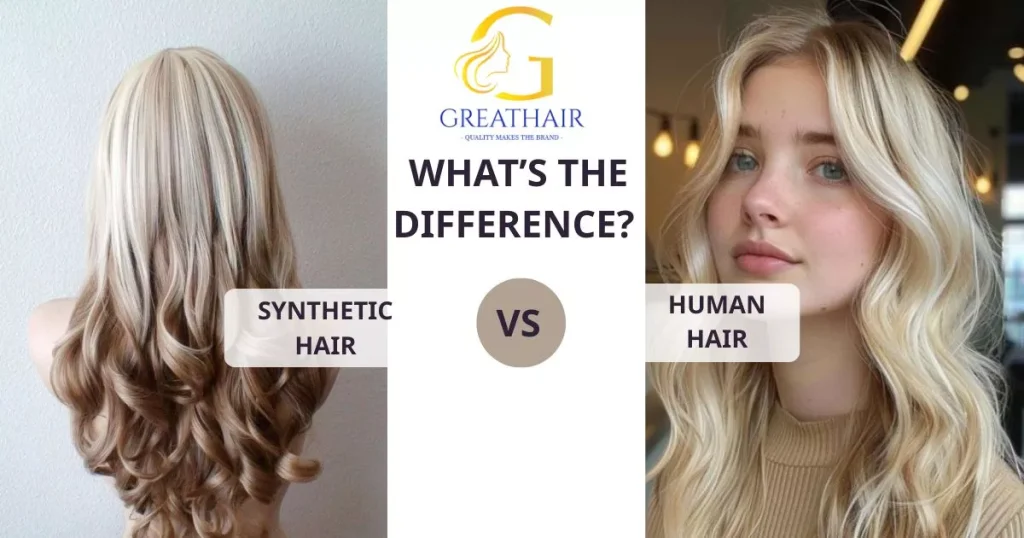
One of the most common beginner questions is the difference between human hair wigs and synthetic wigs. While both serve a purpose, they perform very differently.
Human hair wigs are made from real human hair and behave like natural hair. They can be washed, styled, curled, and recolored. In real-world use, high-quality human hair wigs tend to last longer, tangle less, and look more natural under different lighting conditions especially when made from raw hair with intact cuticles.
Synthetic wigs, on the other hand, are pre-styled and more affordable. However, they have limitations. Most cannot handle heat well, have a shorter lifespan, and lack the natural movement of real hair. In manufacturing and client feedback, synthetic wigs are usually recommended for short-term use, occasional wear, or costumes rather than daily long-term wear.
If you want a deeper breakdown of hair materials themselves, you can explore this comparison:
👉 Difference between human hair wigs
What makes one wig look natural and another look fake?
From a factory point of view, three factors matter most:
1. Hair quality
No construction technique can fix poor hair. Over-processed or mixed hair will never look truly natural, regardless of price or styling.
2. Hairline design
A realistic hairline is critical. Lace quality, knotting technique, and density control determine whether a wig blends naturally with the scalp.
3. Wig cap construction
Different cap designs suit different needs. Lace front wigs, full lace wigs, and glueless wigs each offer different levels of comfort, flexibility, and realism. A good fit is just as important as appearance.
What is W.I.G? Is it an abbreviation?
Some beginners search “what is W.I.G,” assuming it stands for a technical term. In the hair industry, wig is not an official abbreviation. It is simply the word “wig.” Any dotted or stylized version is informal or creative slang rather than industry terminology.
Wig vs hair extensions: which one should you choose?
While wigs cover the entire head, hair extensions are designed to add length, volume, or density to existing hair. Wigs offer maximum flexibility and full coverage, while extensions are better for partial enhancement. The right choice depends on your goals, lifestyle, and hair condition.
Beginners interested in extensions can learn more here:
👉 https://greathair.com.vn/what-are-hair-extensions/
How beginners should choose their first wig
If you are new to wigs, simplicity is key. Choose natural colors, moderate density (around 130–150%), and, if budget allows, human hair for the most realistic experience. Always buy from suppliers who control their production process and are transparent about sourcing. In wigs, deals that seem too cheap are often disappointing in the long run.
Conclusion: what is a wig really?
So, what is a wig? From a real manufacturing perspective, a wig is not just hair. It is a practical solution that offers control, confidence, and flexibility without damaging natural hair. Whether worn for convenience, creativity, or medical reasons, the right wig made with quality materials and proper construction can blend seamlessly into everyday life.
For beginners, understanding how wigs work is the first step toward choosing wisely and wearing confidently.


Comments
Post a Comment