Why 20 Inch Hair Is Where Most Length Mistakes Start — and How Professionals Avoid Them
In the hair extensions world, 20 inch hair sits in an interesting position.
It’s long enough to feel like a real transformation but also long enough to expose expectation gaps, communication issues, and sourcing inconsistencies that shorter lengths often hide.
That’s why many problems around “hair being too short,” “too heavy,” or “not what I expected” tend to show up for the first time at this length.
The problem usually isn’t the hair
One of the biggest misconceptions among buyers is assuming that dissatisfaction at 20 inches automatically means poor quality.
In reality, most issues fall into three categories:
1. Measurement misunderstanding
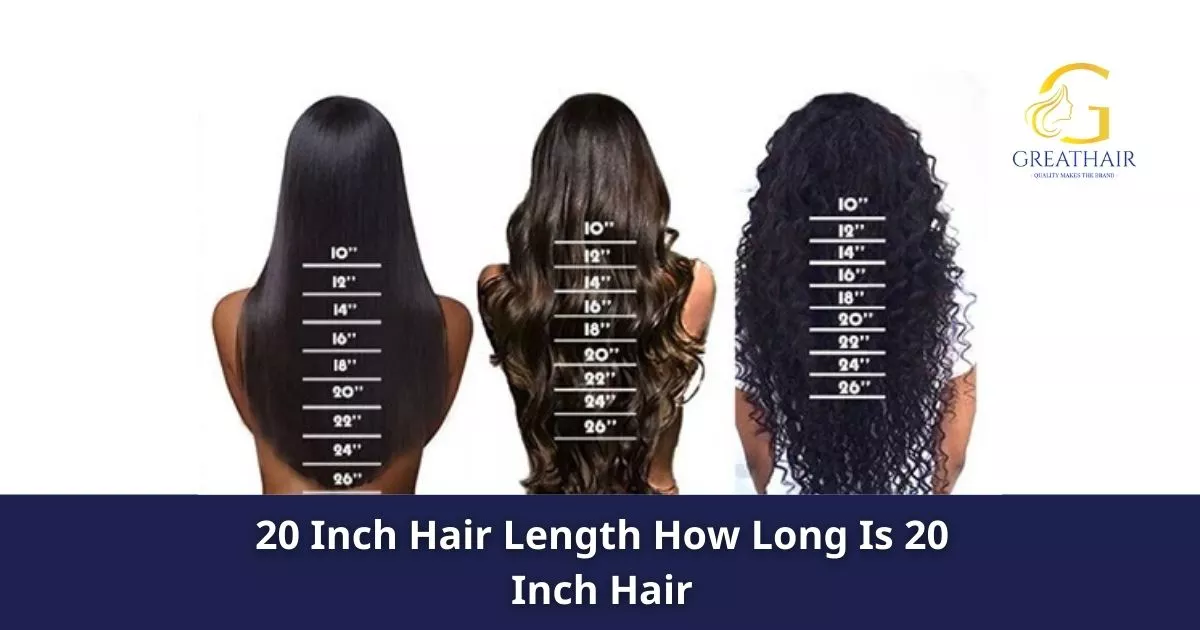
Hair is measured fully stretched, root to tip. Once texture, layering, and installation come into play, the visual length changes sometimes significantly.
Curly and deep wave textures are the most common sources of confusion. Buyers expect mid-back results without accounting for shrinkage, then feel disappointed when the hair looks shorter than imagined.
2. Texture behavior isn’t explained clearly enough
At shorter lengths, texture differences are forgiving.
At 20 inches, they are not.
Straight hair shows length clearly.
Wavy hair trades a bit of length for movement.
Curly hair prioritizes volume over visible length.
When this isn’t explained upfront, even high-quality hair can feel “wrong” to the client.
3. Longer lengths reveal sourcing issues faster
Uneven ends, mixed textures, and inconsistent density are much harder to hide at 20 inches.
This is why experienced salons and sellers are far more selective with suppliers when they move into longer lengths. Consistency matters more than marketing claims.
Why professionals don’t recommend 20 inches to everyone
Interestingly, many experienced sellers intentionally avoid offering 20 inch hair to certain clients.
First-time extension wearers often underestimate:
Daily styling time
Weight and layering needs
Maintenance routines
For these clients, 16 or 18 inches usually deliver a better first experience and fewer returns.
This isn’t about pushing shorter hair. It’s about matching length to lifestyle and expectations.
Where 20 inch hair actually performs best
When used correctly, 20 inch hair is one of the most reliable long lengths available.
It performs best when:
The client understands basic extension care
Texture behavior is discussed before purchase
Installation is done professionally
Density is balanced, not overloaded
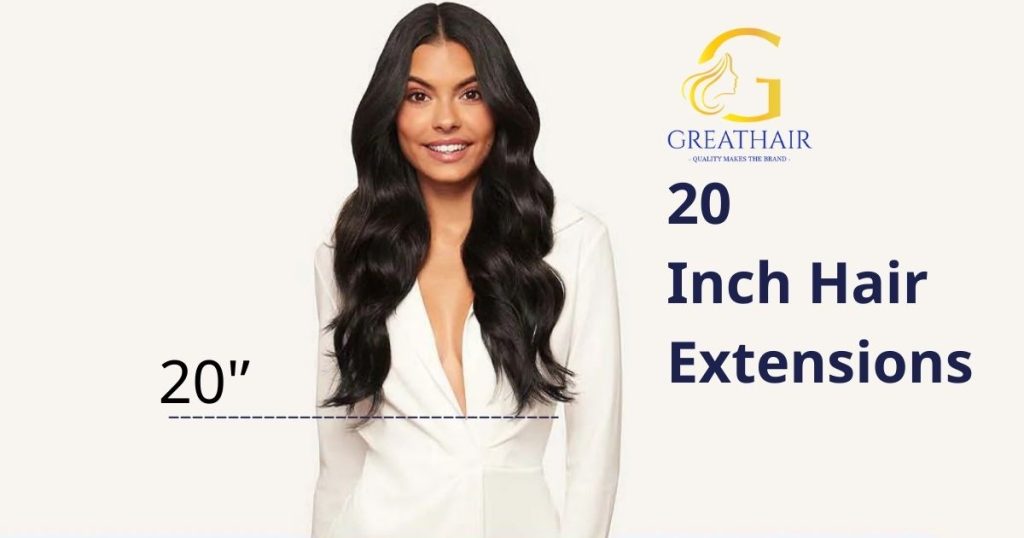
In salon environments, it’s often the length that photographs best for transformations, before-and-after content, and long-layered styles without entering ultra-long, high-maintenance territory.
Length choice is a system, not a number
One mistake buyers make is treating hair length as an isolated decision.
In reality, length should be evaluated alongside:
Texture
Installation method
Body height
Styling habits
Maintenance tolerance
That’s why professionals rarely talk about “the best length” they talk about the right length for a specific use case.
If you’re comparing options or trying to understand how 20 inches fits alongside other lengths, this broader context matters. We break down how different hair extension lengths behave, compare visually, and perform in real-world use in our complete guide to Hair Extension Lengths here:
👉 Hair Extension Lengths
Final thought
20 inch hair isn’t risky selling or choosing it without proper context is.
When expectations are set clearly and quality is consistent, it remains one of the most dependable long lengths in the hair industry. When they aren’t, it’s often where problems begin.
The difference isn’t the product.
It’s the experience behind the recommendation.


Comments
Post a Comment